
Ceramic tint vs regular tint
Regular tint makes your windows darker. Ceramic tint makes your car cooler. That is the whole difference, and in a Florida parking lot it is the one you feel the second you open the door. Here is how they compare, and why we only install ceramic.
Want a cooler car? Get ceramic. It blocks the heat you feel, even in a light shade.
Only want darker windows for looks or privacy? Regular tint does that, but it does little for heat, and cheap dyed film fades and turns purple.
Already have old, purple, or bubbling tint? We strip it and put ceramic on, usually in by 8 and out by 4.
Side by side
We only install ceramic and super ceramic film. If heat is the reason you want tint, and in Florida it usually is, regular tint does not solve the problem.
Darker does not mean cooler
Most of the heat that bakes your seats and steering wheel is infrared light you can’t see. Regular tint blocks visible light, so the glass looks darker, but plenty of that heat still pours through.
Ceramic film is made to reject that heat no matter how dark it is. That means you can choose a lighter shade, see better at night, stay within Florida’s limits, and still get in on a July afternoon without the blast of heat.
Every shade from 5% to 75% is the same price with us, so pick the look you want and let the film handle the heat.
Two ceramic films, one lifetime warranty
Premium Comfort
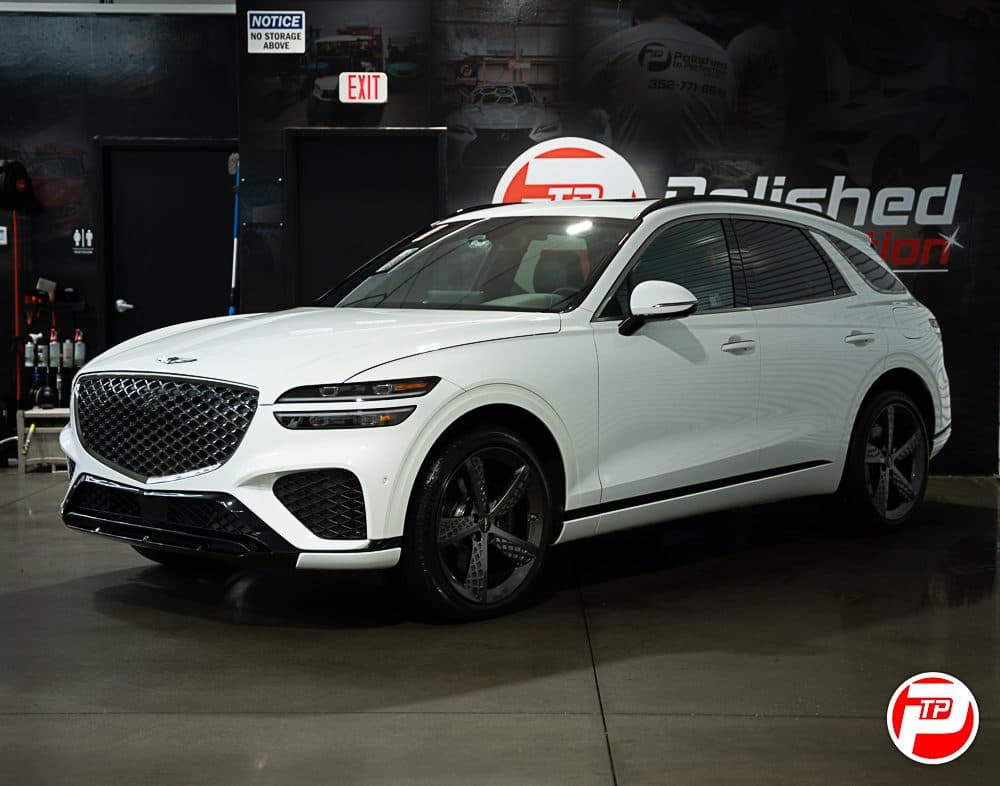
- Blocks 88% of the heat you feel
- Cabin stays about 32° cooler
- Blocks 99% of UV
- Our most popular package, and what Chais has on his own truck
Max Comfort
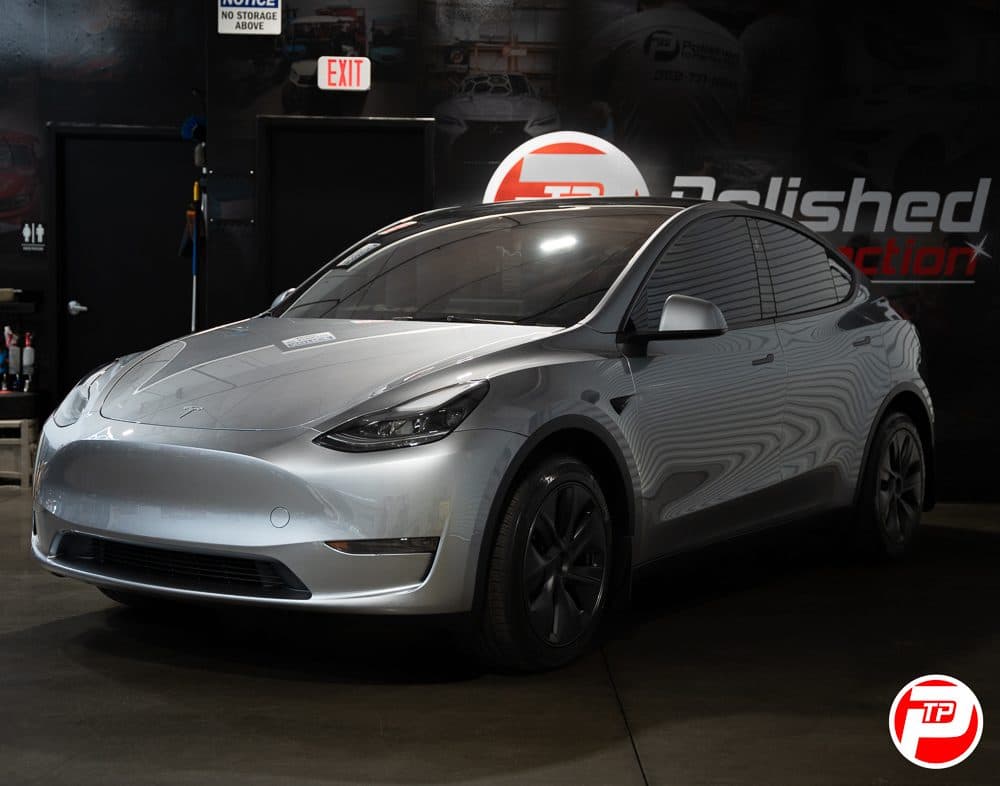
- Blocks up to 96% of the heat you feel
- Cabin stays about 35° cooler
- Blocks 99% of UV
- Our highest heat rejection, great for big glass and Teslas
Florida sun is the reason people tint
Park at Brownwood, Spanish Springs, or Lake Sumter Landing for an hour in July and you know the feeling: a wheel you can’t hold, seats that burn through your shorts, and an AC that takes half the drive to catch up. That is infrared heat, and it is exactly what ceramic film is made to stop.
The sun also works on you and your interior every time you drive. Our film blocks 99% of UV, which keeps your dash and seats from fading and cracking, and keeps it off your skin.
Not sure how dark you are allowed to go? The chart below shows Florida’s limits for cars and for SUVs, trucks, and vans, and we go over shade choices with you at drop-off.
How dark you can legally go
- Windshield
- Non-reflective strip above the AS-1 line only
- Front side windows
- More than 28% light through
- Rear side windows
- More than 15% light through
- Back window
- More than 15% light through
- Windshield
- Non-reflective strip above the AS-1 line only
- Front side windows
- More than 28% light through
- Rear side windows
- More than 6% light through
- Back window
- More than 6% light through
- The big difference is behind the driver. On an SUV, truck, or van, the rear side windows and back window only need to let more than 6% of light through. On a car, it is more than 15%.
- The glass counts too. Many SUVs come with factory privacy glass in the back, and the law measures that glass and the film together. We help you pick shades that keep you legal.
- Medical exemption. If a condition makes you sensitive to light, Florida offers an exemption through the DHSMV with a form from your doctor, which allows darker tint.
- Ceramic does not need to be dark. The heat block is in the film, not the shade, so a legal shade up front still keeps the car cool.
Laws can change, so check with local authorities if you are unsure. For more detail, see our Florida tint law guide.
What our tint customers say
Had my front windows tinted. Easy appointment, comfortable waiting room. Had it done quickly. Professional service. Walked through the process before and after to make sure I was satisfied. It wad exactly what I wanted and the price was competitive. Called to make sure i was still happy a week later. I would recommend!!!!!
Read on Google →The folks at the shop did an amazing job with the window tint job on my RAM 2500 Limited truck. Clean shop, very professional, great customer service, quality unmatched in my opinion. Best in class when it comes to auto tint and polishing services! Would highly recommend Polished To Perfection to anyone!!! 5 star reviews all day long...
Read on Google →Had window tint installed on my new Lexus. Chase and his team were professional and timely while the shop was clean and organized. The job was completed before anticipated (I waited) and love the work they did. Would recommend their service for those who are looking at getting your windows tinted in the area of The Villages.
Read on Google →Polished to perfection is awesome, will definitely use them again and will recommend them to anyone needing auto tint.
Read on Google →Ceramic tint questions
Is ceramic tint worth it?
In Florida, for most drivers, yes. The whole point of tint here is a cooler car, and ceramic is the film built to block the heat you feel. Regular tint mostly darkens the glass. Ceramic costs more upfront, but it keeps working and carries our lifetime warranty on film and labor.
What counts as regular tint?
Usually dyed film or carbon film. Dyed film is the cheapest and tends to fade or turn purple over time. Carbon film holds its color better and looks good, but it has little real heat rejection, which is why we do not offer either one.
Does ceramic tint have to be dark to block heat?
No. With ceramic, the heat rejection comes from the film itself, not the shade. You can pick a lighter shade for easier night driving and still get the heat block. Every shade from 5% to 75% is the same price.
Is ceramic tint the same as ceramic coating?
No. Ceramic tint is a window film that blocks heat and UV through your glass. A ceramic coating is a hard, glossy layer that protects your paint. Different products, different jobs, and we do both.
Will ceramic tint mess with my phone, GPS, or SunPass?
No. Ceramic film has no metal in it, so your phone, GPS, key fob, radio, and toll transponder all work normally.
Does ceramic tint fade or turn purple?
Ours holds its color. Purple, faded tint is the classic sign of cheap dyed film. Our lifetime warranty covers bubbling, peeling, fading, and cracking, on both the film and our labor.
What is the difference between ceramic and super ceramic?
Both block 99% of UV and carry the same lifetime warranty. Ceramic blocks 88% of the heat you feel and keeps the cabin about 32° cooler. Super ceramic is our highest heat rejection, blocking up to 96% and keeping the cabin about 35° cooler.
Can you replace my old purple or bubbling tint?
Yes. We remove the old film, clean the glass carefully around your defroster lines, and install new ceramic film. Most full cars are in by 8 AM and ready by 4 PM.
How dark can I go in Florida?
Front side windows must let more than 28% of light through on every vehicle. Behind the driver, cars need more than 15%, while SUVs, trucks, and vans can go as dark as 6%. On the windshield, only a non-reflective strip above the AS-1 line is allowed. The law measures the glass and film together, and there is a medical exemption for people sensitive to light. We go over your shade choices with you at drop-off.
Get a cooler car
Send the year, make, and model and which windows. We’ll tell you which ceramic film fits how you use your car.
- Mon to Fri, 8 AM to 4 PM
- Right across from Brownwood Paddock Square
- We cover a one-way Uber or Lyft while your car is with us
- No pressure. We tell you what your car does and does not need